


Fostering a More
Sustainable Future
Ronald McDonald House has long been known for its dedication to supporting families throughout their child’s healthcare journey. And with more than 685 programs in 62 countries and regions, our impact is astounding. In addition to providing comfortable family-centered spaces for families to be together, we are also committed to making those spaces more sustainable for generations to come.
In fact, Ronald McDonald House incorporates sustainable design principles and features in 100% of all new construction, including 15 new programs that were added in 2023.
Our ambitious commitment to the environment stretches across four key pillars—sustainable facility design and operation, energy, water, and waste/materials management—each initiative selected for improved comfort of guest families, minimized impact on the environment and ease-of-maintenance to ensure that Ronald McDonald House programs remain available to serve families.
- Sustainable Facility Design and Operations: With a wide variety of facilities covering a range of climates and cultures around the globe, Ronald McDonald House program designs employ many sustainable design features, including maximizing solar exposure for solar photovoltaic panels, solar thermal hot water, optimizing natural daylight and ventilation, and selecting eco-friendly, low-emitting materials and high-efficiency appliances and equipment.
- Energy: Reducing energy use through energy-efficient appliances, equipment and lighting and transitioning to renewable energy sources help minimize our environmental footprint. These sustainable energy strategies can be leveraged to improve our resilience, enabling uninterrupted mission delivery even during power outages or disruptions.
- Water: Ronald McDonald House programs use water resources wisely by selecting water-efficient appliances and fixtures, collecting rainwater and landscaping with native, drought-tolerant plants.
- Waste / Materials Management: There are many ways that Ronald McDonald House Chapters optimize resource use and minimize waste. These strategies span a wide range of best practices from responsive meal planning to reduce food waste; to responsible procurement for right-sizing purchases and selecting eco-friendly products with lower toxicity and minimal packaging; to repurposing existing buildings to eliminate construction waste and leverage energy and resources already embedded in those structures.
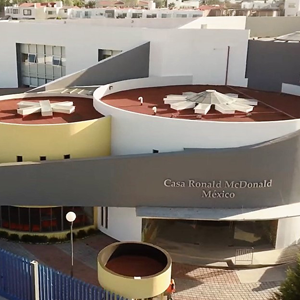
See it in action: The Ronald McDonald House in Puebla, Mexico takes a comprehensive approach to sustainable facility design and operations. Their sustainable design best practices encompass an onsite orchard for fresh fruits and connection to nature, traditional conservation measures, for example the pilas de agua (stone washing basins for laundry), that offer cultural connection and energy efficiency, as well as natural daylight and ventilation. Using a $10K grant from the U.N. Women's Guild for their sustainability commitment, Ronald McDonald House Mexico financed solar thermal water heaters to reduce their energy use and greenhouse gas emissions, which in turn, reduced their annual energy costs by 80%
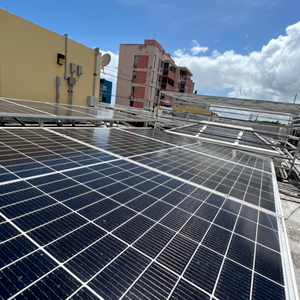
See it in action: The Ronald McDonald House in Puerto Rico has incorporated sustainable energy strategies including solar panels on the roof to supply renewable energy and charge batteries that provide power, even during disruptions to the power grid, along with three solar thermal installations that supply all heated water.
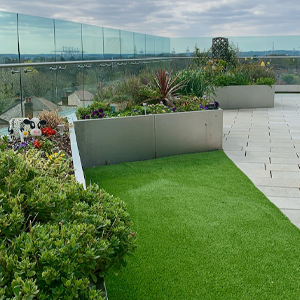
See it in action: The Ronald McDonald House in Southampton, UK has implemented creative use of space and water conservation to provide outdoor garden access for families. Since the property is in a high-density urban area adjacent to the hospital, roof gardens provide families with a connection to nature and a peaceful space of respite. The roof garden is irrigated using a rainwater collection system. Throughout the House, water-efficient fixtures and appliances further reduce water consumption.
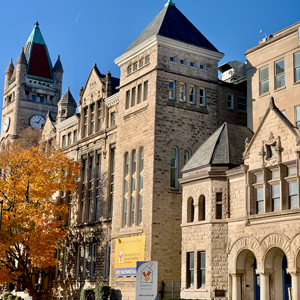
See it in action: The Ronald McDonald House in Louisville, Kentucky completed an expansion by repurposing the adjacent existing facility--a historical medical school, built in 1893--adding needed capacity while conserving the materials and energy of the existing historical structure, significantly reducing the impact of the expansion.
“I’m proud of the work being done to ensure our Ronald McDonald House programs are designed thoughtfully,” says Rodney Jordan, Ronald McDonald House Global Chief Operations Officer. “As a global organization, it’s incredibly important to ensure our programs are sustainable, so we can continue to provide essential services to strengthen families when children need healthcare.”
In committing to sustainability, Ronald McDonald House can better steward donor gifts, deepen the impact of our programs, help protect and preserve the environment, and support healthy communities around the globe – all of which help our organization deliver on our mission.
More from Ronald McDonald House, our families and supporters
An architect who helped build a Ronald McDonald House later found herself seeking its comfort when her son got sick.

Our education programs empower children to keep learning, dreaming, and thriving, even through life’s toughest challenges.
At Ronald McDonald House, we know a meal can do more than nourish. It can heal, connect, and bring families together when they need it most.

For mom Sammi Cuevas and her family, Ronald McDonald House was more than a place to stay — it was a community of comfort and support that cared for her family when they needed it most.
Serving More Families: Spotlight on India.
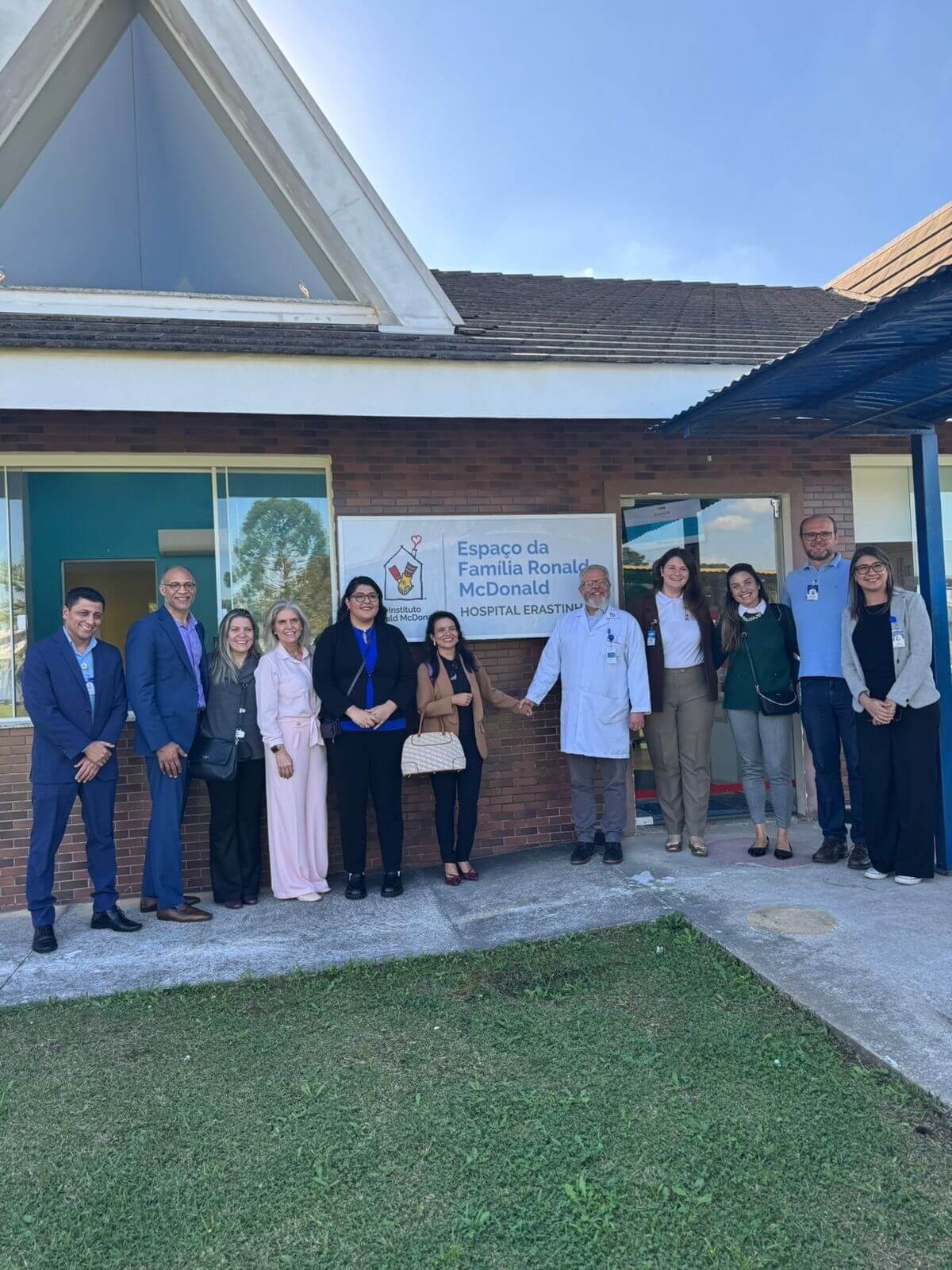
Serving More Families: Spotlight on Brazil.
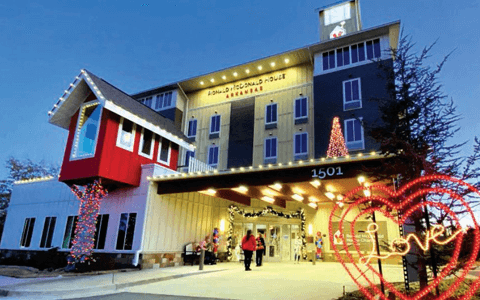
Some Ronald McDonald House programs include a special guiding light for families.
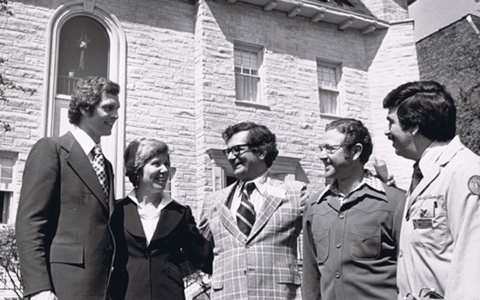
The Marinos dreamed of a space in Chicago where parents could stay knowing their child was nearby.
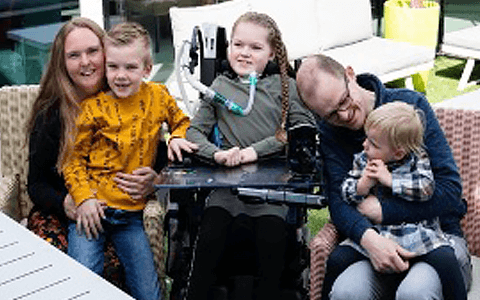
Meeting unique local needs of families.
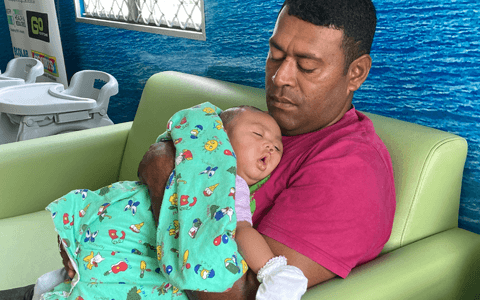
Families have a peaceful place to decompress right in the hospital.

Read more about our Family Stories
Sign up for emails from Ronald McDonald House
Signup
Follow us on social